
Why Now
Autonomy is moving beyond the vehicle.
Unmanned systems can operate with increasing independence, but recovery, power, data, and sustainment still depend on infrastructure built for people.
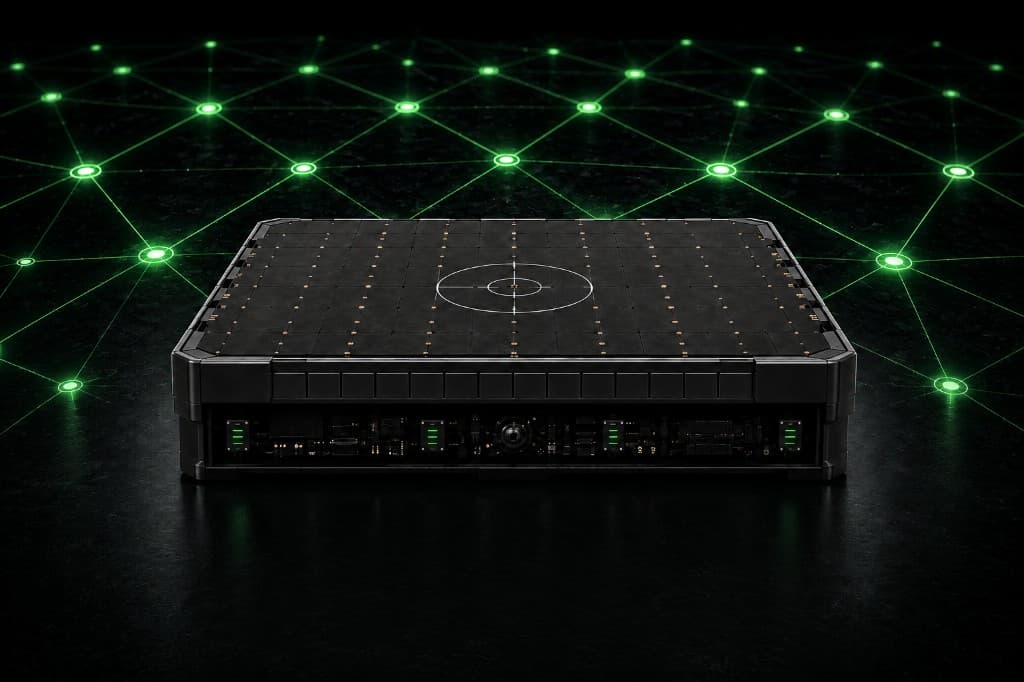
As flight autonomy advances, more of the operational burden shifts to recovery, power, data, and sustainment between missions.
Thalaera is building modular infrastructure that enables autonomous systems to recover, recharge, exchange data, and return to operation with fewer people forward.
Product 01 and Thalaera's initial wedge: an autonomous landing and power platform designed to close the loop between unmanned missions without a crew on the pad.
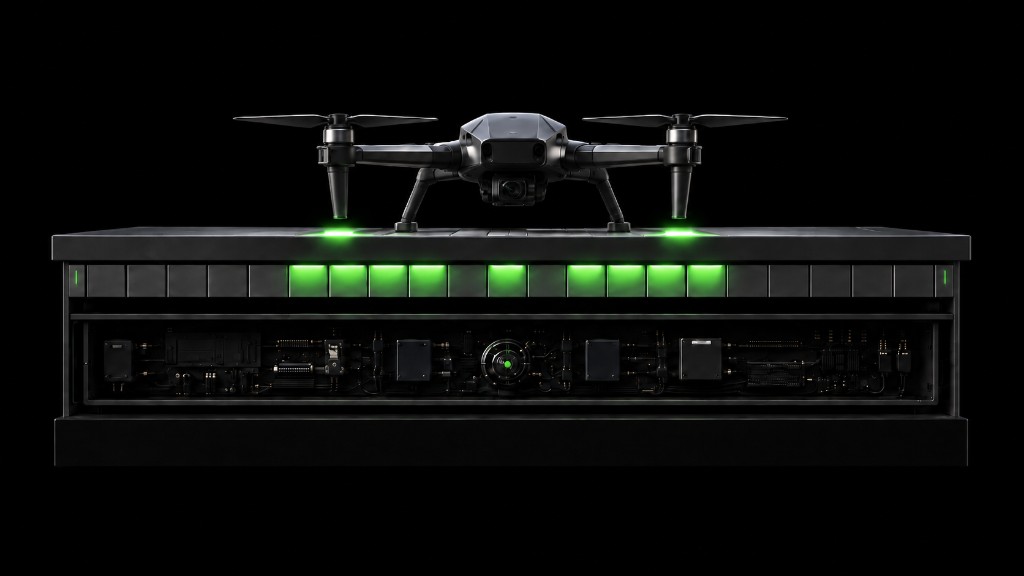
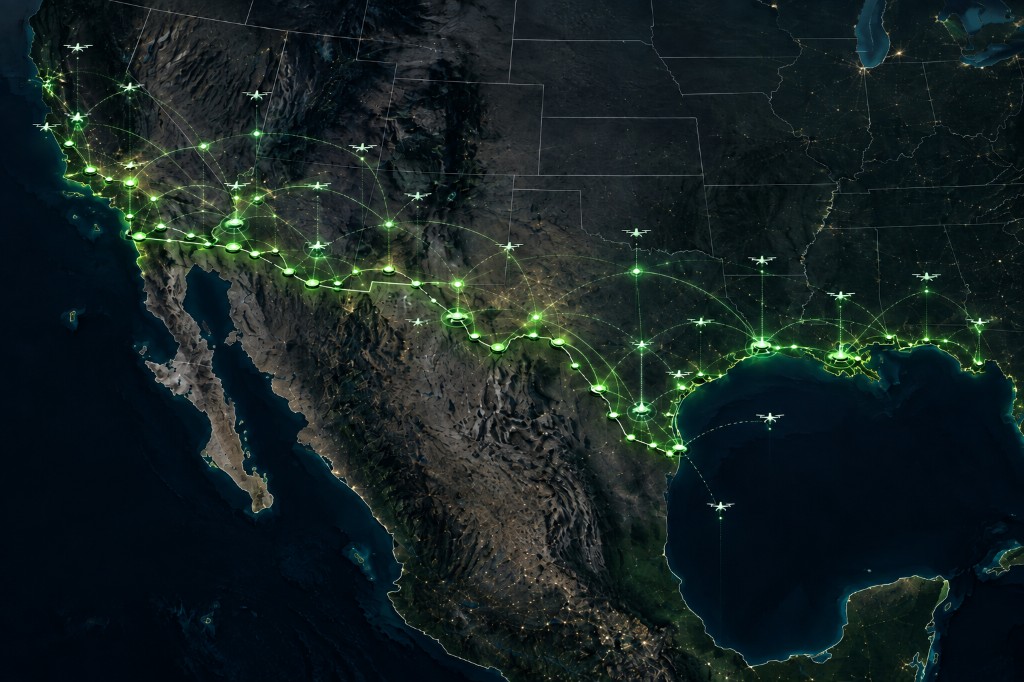
ArcDeck begins as a single operational node. Distributed across land, vehicles, and sea, those nodes can become a resilient logistics fabric for contested environments.
One platform. Three domains.
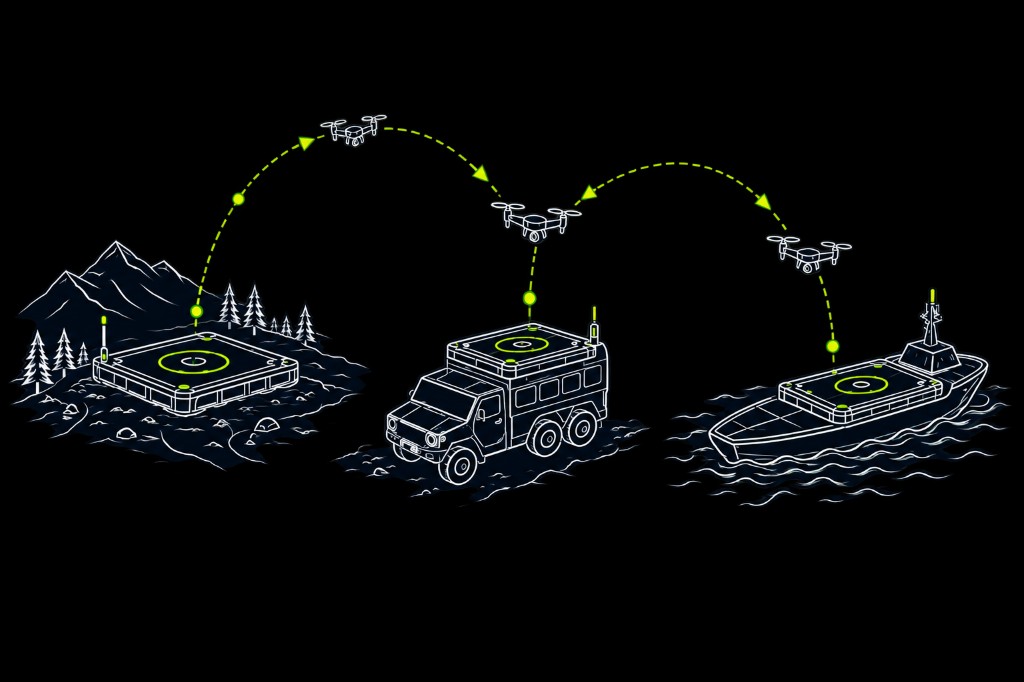
Land Node
Fixed recovery and power at bases, forward positions, and logistics corridors.
Vehicle Node
Mobile operations — mount the platform on tactical vehicles and stay on mission.
Sea Node
Deck-compatible nodes for at-sea resupply, recharge, and relaunch.
Contested logistics over range.
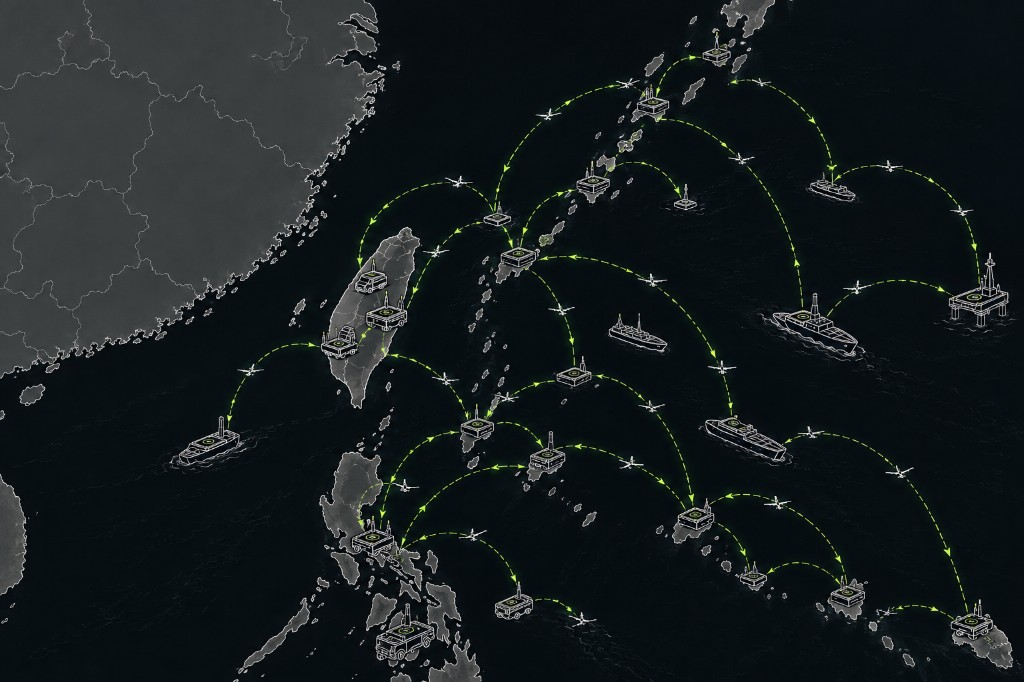
Multi-Domain Mesh
Land, vehicle, and sea nodes form a resilient fabric — flexible routing so fleets stay supplied without stretching crew or fixed bases.
Contested Logistics
When a corridor is denied, the network shifts through other domains — coverage without a single point of failure.
Scale Without Crew
Reach expands with every pad you place — not every person you deploy.
Network Resilience
Nodes operate independently and as a mesh — degrade gracefully under jamming, loss, or isolation without collapsing the theater fabric.
ArcDeck moves with existing expeditionary logistics — 463L-compatible, dense when stacked, and quick to assemble into an autonomous landing field.

Designed to fit a 463L HCU-6/E air cargo pallet — move more capability per lift with existing logistics.

Units stack for transfer — dense packing for aircraft holds, containers, and expeditionary staging.

Deploy multiple pads into an autonomous landing field — scalable from one node to a full grid.
ArcDeck starts with recovery and power. Each deployed node creates a foundation for data, diagnostics, replenishment, and service—expanding Thalaera from a focused product into an autonomous infrastructure platform.
Mission Loop
Continuous
Land
Connect
Power
Relaunch
Autonomous landing and electrical recharge — aircraft recover, take power, and return without a crew on the pad.
Secure transfer, health checks, and mission upload at the pad — so the aircraft leaves smarter than it arrived.
Battery management, payload replenishment, and light servicing — each node a forward sustainment point.
A distributed physical network for recovery and autonomous resupply — infrastructure that scales with the fleet.